Walk into a Russian banya for the first time and you'll notice two things almost immediately: the smell — green, herbal, a little like a forest after rain — and the sound of leaves rhythmically slapping against skin. Both come from the venik, the leafy bundle of birch or oak branches that turns a simple steam session into something closer to a ritual. If you've ever wondered whether people are actually being whipped with tree branches in there (yes, sort of, and they're loving it), this guide is for you.
What Exactly Is a Venik?
A venik (pronounced VYEH-nik) is a hand-tied whisk of leafy branches, usually cut in early summer when the leaves are young and full of aromatic oils, then dried and stored for use year-round. In the banya, a soaked venik becomes soft, fragrant, and pliable — less a bundle of sticks and more a big, warm, leafy fan.
Despite how it looks, the venik isn't primarily for hitting anyone. In skilled hands it's used to waft hot air, press steam against the skin, and give a light, rhythmic massage. The Russian word for this whole practice is parenie (steaming), and a good venik master — a parilshchik — treats it as a craft, with warm-ups, crescendos, and a finale, like a conductor working through a symphony written in steam.
The Main Types of Venik (and What Each One Is For)
Different trees make different veniks, and banya regulars will happily argue about their favorites for hours. Here are the ones you're most likely to meet:
| Venik type | Character | Best for |
|---|---|---|
| Birch | Soft, flexible, classic banya aroma | Beginners; a gentle all-purpose massage |
| Oak | Broad, sturdy leaves that hold steam well | Moving lots of heat; people who like intensity |
| Eucalyptus | Thin branches, powerful menthol-like scent | Aroma; often mixed into a birch or oak venik |
| Linden (lime tree) | Delicate, honey-scented | A calm, relaxing session |
| Juniper or fir | Prickly, resinous, not for the faint of heart | Experienced bathers chasing strong sensations |
If you're just starting out, birch is the friendly default — soft enough that even an enthusiastic friend can't do much damage with it. Oak is the workhorse for anyone who wants serious steam. Eucalyptus is mostly about the aroma; a few sprigs tucked into a birch venik perfume the entire steam room.
How to Prepare a Venik: The Soak
A dried venik used straight off the shelf will shed leaves everywhere and feel like being dusted with a broom. Preparation — zaparivanie — is what transforms it. The classic method:
- Rinse the venik briefly in cool water to wash off dust.
- Soak it in warm (not boiling) water for 15–20 minutes. Many bathers place a basin over the leaves to keep them submerged.
- Steam it briefly: hold the venik over the hot stones for a few seconds so the residual water flashes into fragrant steam. Careful — don't drip too much water directly onto the stones, and don't singe the leaves.
- Bonus move: the soaking water is now a lovely herbal infusion. Ladle a little of it onto the stones for an extra wave of birch or oak aroma, or use it as a final hair rinse. Banya folk wisdom says it's good for the scalp; we'll just say it smells wonderful and leave the rest to tradition.
A fresh (undried) venik in summer needs almost no soaking — a quick rinse and it's ready.
How Parenie Actually Works
A proper venik session usually happens on the second or third visit to the steam room, once your body is thoroughly warmed up. The person receiving lies down on a bench, ideally on the middle level where the heat is strong but manageable — our sauna temperature guide explains why a couple of feet of elevation makes such a dramatic difference.
The parilshchik then works through stages:
- Wafting: the venik is waved above the body without touching it, pushing waves of hot air downward. This alone can feel surprisingly intense.
- Light stroking: the leaves brush along the back, legs, and arms, spreading heat evenly.
- Pressing: the hot venik is pressed and held against the lower back, shoulders, or feet — many people's favorite part.
- Lashing: quick, springy taps that look dramatic but, done properly, feel like a brisk percussion massage rather than punishment.
The whole thing typically lasts five to ten minutes, followed by a cool rinse or plunge and a long rest. Fans of the practice credit it with better circulation and looser muscles, and some research suggests the combination of heat and massage may help with relaxation and post-exercise soreness — though, as with most banya lore, the strongest evidence is the grin on people's faces afterward.
Venik Etiquette and Safety for Beginners
A few unwritten rules will make your first parenie go smoothly:
- Warm up first. Never start a venik massage cold; take at least one gentle round of steam beforehand.
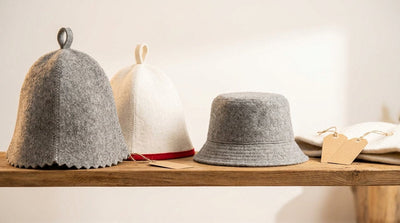
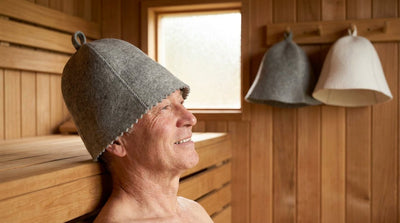
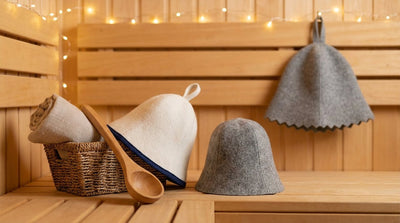
- Protect your head. Parenie happens during the hottest part of the session, often with extra steam thrown on the stones, and your head sits right in the hottest layer of air. This is exactly why banya regulars never go in bareheaded — a felted wool sauna hat insulates your head so the rest of you can enjoy the heat longer without that dizzy, overcooked feeling. It also shields your hair from the drying heat, something we cover in depth in our guide to sauna hats and hair protection.
- Communicate. Tell whoever is steaming you if it's too hot or too intense. There are no medals for silent suffering.
- Keep sessions short. Five to ten minutes is plenty; leave when your body says so, not when your pride does.
- Hydrate generously. A venik session is sweaty work for both people involved. Water, herbal tea, or a light electrolyte drink between rounds makes a real difference — here's what to drink before, during, and after.
- Skip it if you're unwell. If you're pregnant, have heart or blood pressure conditions, skin issues, or any health concerns, talk to your doctor before trying intense heat plus massage. The banya has waited centuries; it can wait for your check-up.
Buying, Storing, and Reusing Your Venik
You can buy dried veniks at Russian and Eastern European grocery stores, banya supply shops, and online — or make your own if you have access to birch or oak and cut branches in early summer. When choosing one, look for dense foliage, intact leaves, and a comfortable, firmly wrapped handle.
Store dried veniks somewhere cool, dry, and dark — a paper bag in a closet works fine. A well-made venik survives two or three sessions if you treat it kindly: shake it out, rinse it, and hang it to dry between uses. When it finally starts going bald, thank it for its service and retire it. Some bathers save the last leaves for one final infusion on the stones.
Is the Venik Worth Trying?
Honestly — yes. Even if the idea of being tapped with warm branches sounds odd from the outside, parenie is one of those experiences that makes instant sense the moment the first wave of birch-scented heat rolls over your back. Start with a birch venik, go with someone who knows what they're doing, keep your head covered and your water bottle close, and you'll understand why this leafy bundle has been the heart of the banya for a thousand years.
Made for the hot room
DIVELUX sauna hats are handmade from 100% natural wool felt — breathable, insulating and built to last. 7 colors, classic and bucket styles, $19.99 with free US shipping.
Shop Sauna Hats →