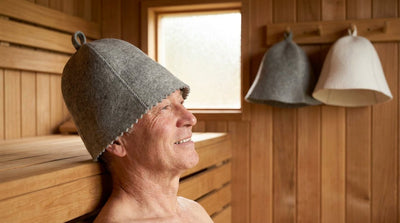
Ask any serious lifter, runner, or weekend pickleball warrior what they obsess over, and you'll hear the same word: recovery. Training is easy to love — recovery is where the actual progress happens. And tucked between foam rollers, protein shakes, and questionable ice baths sits one of the oldest recovery tools humans have ever used: a hot room and twenty quiet minutes. Here's what the research actually suggests about sauna as a recovery tool for athletes, how to use it without sabotaging your training, and why the people who do this well tend to wear funny-looking wool hats.
Why athletes are rediscovering the sauna
Sauna bathing isn't new — Finns have been doing it for a couple thousand years — but sports science has taken a fresh interest in it over the last decade. The appeal is simple: heat exposure is a passive stressor. Unlike another training session, it asks almost nothing of your joints, tendons, or willpower. You sit, you sweat, and your body responds as if you'd done light-to-moderate cardio: heart rate climbs, blood vessels dilate, and circulation increases throughout the body, including to muscles that just took a beating.
That increased blood flow is the headline. More circulation may help shuttle nutrients to recovering muscle tissue and support the clearing of metabolic byproducts. Research also suggests regular heat exposure can support cardiovascular fitness markers over time — some studies on frequent sauna users have found associations with better heart health, though it's worth saying plainly that association isn't proof, and a sauna is a complement to training, not a substitute for it.
What heat may actually do for recovery
Let's walk through the mechanisms researchers find most interesting — with appropriate hedging, because bodies are complicated and studies are small.
Muscle soreness and stiffness
Post-sauna, muscles tend to feel looser and warmer, and some research suggests heat exposure may reduce the perception of delayed-onset muscle soreness (DOMS). Whether it speeds actual tissue repair is less settled, but "I feel less like a rusted gate the day after squats" is a real, reportable benefit that many athletes notice.
Heat shock proteins
This is the nerdy part. When your core temperature rises, your cells produce heat shock proteins — molecular chaperones that help repair damaged proteins and protect cells from stress. Some researchers believe this response may support muscle maintenance and adaptation, which is one reason heat exposure gets discussed alongside injured or immobilized athletes. Promising, not proven — but genuinely interesting science.
Heat acclimation for endurance
Here the evidence is more direct. Repeated heat exposure trains your body to handle heat better: you start sweating sooner, your plasma volume may expand, and your cardiovascular system becomes more efficient at cooling you. For endurance athletes who race in warm conditions, post-training sauna sessions are a well-established acclimation strategy. Some studies on runners have suggested modest performance improvements after a few weeks of regular post-workout sauna use.
Sleep and the nervous system
Recovery isn't just muscular — it's neurological. Many sauna users report deeper, easier sleep on sauna days, possibly because the post-sauna drop in core temperature mimics the natural cooldown that signals bedtime. After a hard training block, anything that nudges you toward better sleep is doing quiet, unglamorous recovery work.
How to sauna like an athlete (not a lobster)
More heat is not more recovery. Here's a sensible protocol to start from:
- Time it after training, not before. Pre-workout sauna leaves you dehydrated and cooked before you touch a barbell. Post-workout, after you've cooled down and had some water, is the sweet spot.
- Start with 10–15 minutes. Seasoned sauna-goers might do 15–20 minutes per round, but there are no medals for endurance sitting. Leave when you feel done, not when the timer shames you.
- Do 1–3 rounds with cool-down breaks. Step out, rinse or rest for 5–10 minutes, rehydrate, and go again if you feel good.
- Rehydrate seriously. You can lose a surprising amount of fluid in one session — on top of what training already took. Water plus electrolytes beats water alone after a double-sweat day.
- Skip it when depleted. Dehydrated, underfed, sick, or post-competition-exhausted? Heat stress on top of that is a bad trade. Rest first, sauna another day.
If your sauna access is through a gym or spa, it pays to know the local customs — we've covered the unwritten rules in our guide to sauna etiquette in American gyms and spas, and yes, "don't do burpees in the sauna" made the list in spirit.
The head problem: why your brain needs different treatment than your hamstrings
Here's the thing nobody tells first-time sauna athletes: heat rises, you're sitting with your head in the hottest layer of air, and your head is exactly the part of you that doesn't benefit from being cooked. Your muscles want that deep warmth. Your brain wants to stay comfortable so you can actually sit long enough for your muscles to get it.
This is why traditional sauna cultures wear wool hats in the heat — it looks eccentric until you try it. Wool felt is a natural insulator, so a wool sauna hat slows heat transfer to your head, helping you avoid that dizzy, pressure-cooker feeling and stay in for a full, unhurried session. It also shields your hair from the drying heat — a real consideration if you're in the sauna four times a week. The material matters more than you'd think; we broke down why cotton caps fail in the sauna if you're curious why a soaked baseball cap is the opposite of a solution.
A sample recovery week
Here's how sauna might slot into a typical training week. Adjust freely — this is a template, not a prescription.
| Day | Training | Sauna |
|---|---|---|
| Monday | Heavy strength | 15 min post-workout, 1 round |
| Tuesday | Easy cardio | Rest from heat |
| Wednesday | Intervals | 2 rounds × 12 min, cool-down between |
| Thursday | Rest day | Optional relaxed session, focus on sleep |
| Friday | Strength | 15 min post-workout |
| Weekend | Long run / games | Evening session, extra fluids |
Notice the rhythm: sauna follows the hard days and stays optional on the easy ones. If you're choosing between sauna types at your gym, our honest comparison of infrared and traditional saunas covers how the two experiences differ for recovery purposes.
The honest fine print
- Sauna is a supplement to recovery basics — sleep, food, hydration, and rest days do the heavy lifting. No amount of sweating fixes a five-hour sleep habit.
- Research on sauna and athletic recovery is promising but young; many studies are small. Treat benefits as "may help," not "will fix."
- If you have a heart condition, blood pressure issues, or are pregnant, talk to your doctor before adding regular heat exposure.
- Alcohol and sauna don't mix, ever — doubly true after training when you're already depleted.
Used sensibly, the sauna is one of the most pleasant recovery tools an athlete can adopt: it costs you nothing but time, it may support circulation, soreness, heat tolerance, and sleep — and unlike the ice bath, you'll actually look forward to it. Bring water, bring patience, and bring something woolly for your head.
Made for the hot room
DIVELUX sauna hats are handmade from 100% natural wool felt — breathable, insulating and built to last. 7 colors, classic and bucket styles, $19.99 with free US shipping.
Shop Sauna Hats →