Walk into a good sauna, close your eyes, and you can almost guess what it's built from. Cedar announces itself with that sweet, pencil-shavings perfume. Aspen is quieter — pale, clean, almost scentless. Alder sits somewhere in between, warm-toned and mellow. The wood a sauna is made of isn't just decoration: it shapes how the room smells, how hot the benches feel against your skin, and how well the whole thing holds up after years of steam. Here's a friendly tour of the woods saunas are made of, and why the choice actually matters.
Why wood at all?
Saunas are wood-lined for reasons that go beyond tradition. Wood is a poor conductor of heat, which is exactly what you want in a room that runs at 170–200°F. A wooden bench at 180°F feels warm and inviting; a metal or stone one at the same temperature would be genuinely painful to sit on. Wood also breathes — it absorbs and releases moisture as the humidity swings during löyly (the burst of steam when water hits the stones), which keeps the air from feeling clammy and helps the room dry out between sessions.
But not just any wood will do. A good sauna wood needs three things:
- Low resin content. Resinous woods like standard pine can weep sticky sap in the heat — unpleasant on skin and clothing, and pockets of resin can get surprisingly hot.
- Low thermal conductivity and density. Lighter, softer woods stay comfortable to the touch even when the air is scorching.
- Stability in heat and humidity. The wood must survive endless cycles of hot-dry-wet without cracking, warping, or rotting.
Cedar, aspen, and alder each solve this puzzle a little differently.
Western red cedar: the aromatic classic
If you've been in a North American sauna, odds are it was cedar. Western red cedar is the darling of the US and Canadian sauna market, and it earns the reputation. It's naturally rich in oils that resist moisture, decay, and insects — the same oils responsible for its famous fragrance. It's dimensionally stable, meaning it shrugs off the constant expansion and contraction of heating and cooling, and its low density keeps benches comfortable.
The aroma is the headline feature. That warm, resinous-sweet scent is part of the experience for many bathers, and it pairs beautifully with steam rituals — if you've read our piece on the Aufguss ritual, you know how much scent contributes to a great sauna session.
Cedar's honest downsides: it's on the pricier side, its reddish-brown tones darken over time, and a small number of people find the aroma overwhelming or mildly irritating. Some folks with sensitive skin or scent sensitivities simply prefer a more neutral room — which brings us to aspen.
Aspen: the Scandinavian minimalist
Aspen is the Nordic answer, beloved in Finland where it's often used for benches even when the walls are spruce or pine. It's pale — almost white — virtually knot-free in premium grades, and nearly odorless. It contains almost no resin, so it never weeps sap, and it's frequently recommended for people with allergies or scent sensitivities (though as with anything allergy-related, individual reactions vary, so trust your own experience).
Aspen also stays remarkably cool to the touch for its class, making it a favorite specifically for benches, backrests, and headrests — the parts of the sauna your bare skin actually meets. Aesthetically, it gives you that bright, calm, Scandinavian-spa look that photographs beautifully and keeps the room feeling airy.
The trade-off is that aspen is a bit softer and can dent or mark more easily than cedar, and it lacks cedar's natural rot resistance, so good ventilation and drying between sessions matter more.
Alder: the warm middle ground
Alder — especially thermally treated black alder — has become a favorite in modern European sauna builds. Untreated, it's a light honey color; after heat treatment (baking the wood at high temperatures without chemicals), it deepens into rich caramel and chocolate browns. Thermo-treatment does more than change the color: it reduces the wood's ability to absorb moisture, which improves stability and decay resistance considerably.
Alder has a faint, pleasant scent, no resin issues, and a smooth, splinter-resistant surface. If cedar is the aromatic extrovert and aspen the serene minimalist, alder is the warm, easygoing friend who gets along with everyone. It's a lovely choice for a dim, cozy sauna where you want deep tones and soft light — the kind of room made for the quiet practice we describe in Sauna Meditation.
A quick comparison
| Wood | Color | Scent | Best for | Watch out for |
|---|---|---|---|---|
| Western red cedar | Reddish brown | Strong, sweet, resinous | Walls, ceilings, the full aromatic experience | Higher cost; scent isn't for everyone |
| Aspen | Pale, nearly white | Almost none | Benches, headrests, scent-sensitive bathers | Softer surface; needs good ventilation |
| Alder (thermo-treated) | Honey to deep caramel | Mild, warm | Modern builds, cozy dark interiors | Thermo-wood can be slightly more brittle |
Honorable mentions
Hemlock
Light, affordable, low-scent, and common in infrared cabins. A solid budget-friendly choice, though less naturally decay-resistant than cedar.
Nordic spruce and pine
The traditional Finnish workhorses for walls and ceilings — inexpensive and charming with their knots — but kiln-dried, low-resin grades are essential, and you'll still usually want aspen or alder for the benches.
What this means for you, the bather
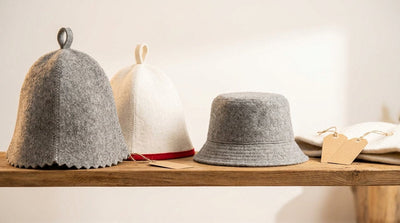
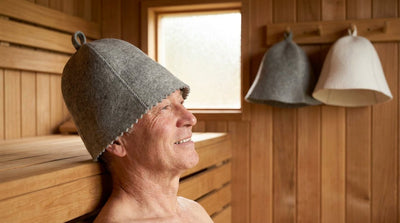
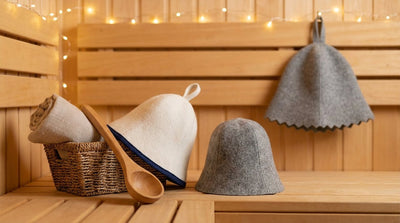
Here's the honest part: once the stove is hot, every one of these woods delivers a wonderful sauna. The differences are about scent, aesthetics, comfort against the skin, and maintenance — not about one wood producing "better heat." Whatever the walls are made of, the physics of sitting in a 190°F room are the same, and your head is still the part of you that bears the brunt of it, since the hottest air pools at ceiling height right where you sit. That's why seasoned bathers in cedar palaces and aspen minimalist boxes alike reach for a wool sauna hat: the felt insulates your head from the peak heat, which may help you stay comfortable longer and keeps your hair from drying out in the process.
So when you next settle onto that bench — cedar-scented or Scandinavian-pale — take a second to appreciate the material doing quiet, brilliant work all around you. Breathe in, pour a little water on the stones, and let the wood do what it's done for centuries. And if you're debating when to enjoy it, we've weighed the options in Morning vs Evening Sauna.
Made for the hot room
DIVELUX sauna hats are handmade from 100% natural wool felt — breathable, insulating and built to last. 7 colors, classic and bucket styles, $19.99 with free US shipping.
Shop Sauna Hats →