Winter transforms a standard sauna session from a relaxing sweat into a full-body, endorphin-pumping adventure. When the temperature drops and the snow begins to pile up, traditional sauna cultures don't just stay indoors—they head straight out into the freezing cold. Whether you are joyfully rolling in fresh powder or gingerly stepping into an icy lake, winter sauna rituals are all about embracing the extremes. But mastering this ancient dance between fire and ice requires a little know-how, a bit of courage, and the right preparation. Let's explore the invigorating world of snow rolls, ice dips, and how to safely enjoy the ultimate winter thermal contrast.
The Science and Magic of Thermal Contrast Therapy
The practice of moving from extreme heat to extreme cold isn't just a daredevil stunt; it is a time-honored tradition known as thermal contrast therapy. When you sit in a hot sauna, your blood vessels dilate (open up) to help your body cool down, bringing blood closer to the surface of your skin. When you suddenly plunge into cold water or roll in the snow, those same vessels rapidly constrict, driving the blood back toward your vital organs to protect your core temperature.
This rapid vascular pumping action is often described as cardiovascular gymnastics. Research suggests that regular contrast therapy may help improve circulation, reduce delayed onset muscle soreness after a tough workout, and temporarily boost your metabolic rate. More noticeably, the shock of the cold triggers a massive release of adrenaline and endorphins. This neurochemical flood is why people often emerge from an ice dip with a massive, uncontainable smile—a phenomenon affectionately known as the "post-sauna high."
The Snow Roll: A Beginner’s Guide to the Fluffiest Shock
If you aren't quite ready to submerge yourself in freezing water, the snow roll is the perfect gateway into winter contrast therapy. It offers a slightly gentler shock to the system, provided you do it correctly. Think of it as making snow angels, just with much higher stakes.
How to Execute the Perfect Snow Roll
- Scout your drop zone: Before you even heat up the sauna, check the snow outside. You are looking for fresh, uncompacted powder. A hidden layer of sharp ice crust or a buried pine branch will quickly turn a joyful roll into a painful scratching post.
- Build up a deep sweat: You need a substantial heat reserve before hitting the snow. Wait until you are thoroughly sweating and feel completely warmed to your core.
- Keep it moving: Step outside, drop into the powder, and roll continuously. A few seconds on your back, a quick turn to your front, and you are done. The entire process should take no more than 10 to 15 seconds.
- Brush off immediately: Snow stuck to your skin will melt when you step back into the hot room, which can create a surprisingly uncomfortable, stinging sensation as the water rapidly heats up. Brush the snow off your arms and legs before crossing the threshold.
The Ice Dip (Avanto): Taking the Ultimate Plunge
In Finland, cutting a hole in the ice for a winter dip is known as avanto. Plunging into near-freezing water is the undisputed king of contrast therapy, delivering an immediate, breathtaking shock to the nervous system. It requires respect, focus, and a few safety ground rules.
Safety First in the Ice Hole
- Never dive headfirst: Going underwater headfirst in freezing temperatures can trigger the mammalian dive reflex in a way that causes disorientation or panic. Always enter the water feet first.
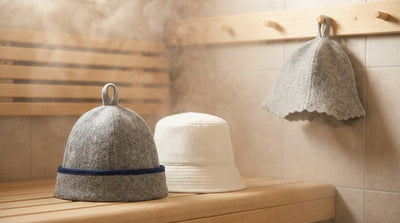
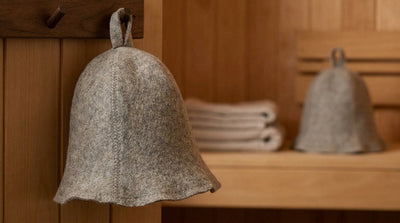
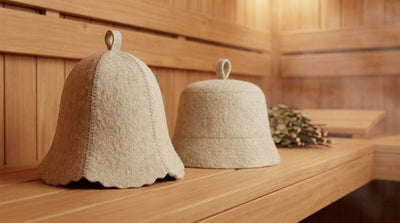
- Protect your head: You lose a significant amount of heat through your head. Wearing a wool sauna hat during your ice dip is a game-changer. The 100% natural wool felt that protected your hair from overheating inside the sauna now acts as a powerful insulator against the freezing outdoor air, keeping your core temperature stable and preventing brain freeze.
- Control your breath: The cold water will trigger an involuntary gasp reflex. Focus on taking long, slow, controlled exhales as you step down the ladder. Do not hold your breath.
- Keep it brief: There is no prize for staying in the longest. For contrast therapy, 30 to 60 seconds is more than enough time to reap the benefits without risking hypothermia.
The Hot Room: Preparing for the Cold
You cannot successfully enjoy a snow roll or an ice dip if you are shivering before you even step outside. The key to enjoying the cold is mastering the heat. A lukewarm sauna won't give your body the thermal armor it needs to withstand the winter elements.
To build a deep, penetrating heat, you need good löyly—the Finnish term for the steam created when water hits the rocks. Tossing water onto properly stacked sauna stones creates a wave of humidity that makes the heat feel significantly more intense. This deep tissue warming is what allows you to stand in the freezing winter air while steam gently rolls off your shoulders, feeling completely comfortable.
Essential Gear for Winter Contrast Therapy
While traditional saunas are often enjoyed in the nude, stepping out into a winter wonderland requires a few strategic accessories to keep the experience safe and comfortable.
| Gear Item | Why You Need It |
|---|---|
| Slip-on Sandals | Bare feet sticking to icy wooden decking is a hazard. Keep a pair of waterproof slides right outside the sauna door. |
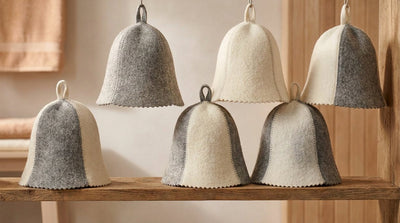
| Wool Sauna Hat | Essential for temperature regulation. It prevents the stinging heat from burning your ears indoors and traps your body heat outdoors. (Plus, you can easily choose a hat color that matches your winter aesthetic). |
| Thick Robe | Crucial for the final cool-down period. It blocks the winter wind while your body temperature slowly normalizes. |
| Extra Towels | You will need one to sit on inside the sauna and a completely separate, dry towel for wiping off snow or drying off after the ice dip. |
The Aftermath: Warming Up and Winding Down
The most critical part of a winter sauna ritual happens after your final round of heat and cold. When you finish your session, your body will continue to cool down, a phenomenon known as the "after-drop." If you rush inside and immediately throw on your street clothes, you might find yourself shivering uncontrollably ten minutes later.
Instead, allow your body to equalize naturally. Pat yourself dry, wrap up in a heavy robe, and sit in a mildly cool area (like a screened porch or a changing room) for 15 to 20 minutes. Let your heart rate settle and your core temperature gently return to baseline.
This is also the time to replenish fluids. The intense cycle of hot and cold requires serious hydration. Remember, any immediate drop on the scale is just water loss, so focus on replacing lost hydration with mineral water, herbal tea, or a traditional diluted berry juice.
Winter sauna rituals take the cozy comfort of a hot room and elevate it into a thrilling, restorative practice. By respecting the extremes, protecting your body with the right gear, and listening to your own limits, you can turn the coldest, darkest months of the year into your favorite sauna season.
Made for the hot room
DIVELUX sauna hats are handmade from 100% natural wool felt — breathable, insulating and built to last. 7 colors, classic and bucket styles, $19.99 with free US shipping.
Shop Sauna Hats →