Most of us walk into the sauna carrying the day with us — shallow chest breaths, a jaw clenched around some email we haven't answered yet. Then the heat hits, the heart rate climbs, and instead of relaxing we quietly start negotiating with the clock. Here's the good news: the fastest way to change how a sauna session feels isn't a fancier stove or hotter stones. It's your breath. A few simple techniques can help you settle in faster, stay calm at the top bench, and often stretch your sessions comfortably longer — no equipment required, though we'll admit a little wool helps too.
Why breathing matters more in the heat
Sauna heat is a mild, deliberate stressor. Your body responds the way it responds to most stressors: heart rate rises, blood vessels dilate, and breathing tends to get quicker and shallower. That's normal physiology, not a problem — but shallow, hurried breathing can nudge your nervous system toward "alert" mode right when you'd rather be drifting toward "rest."
Slow, controlled breathing appears to lean on the other side of the scale. Research on paced breathing suggests that long, unhurried exhales may stimulate the vagus nerve and support the parasympathetic ("rest and digest") response — which is exactly the state most of us are chasing on the bench. In plain terms: when your breath slows down, the rest of you tends to follow. It won't make 90°C feel like a spring meadow, and it's not a license to override real warning signs, but it can make the difference between fidgeting at four minutes and genuinely melting into the wood at twelve.
First, the setup: nose over mouth
Before any technique, one habit: breathe through your nose whenever the heat allows. Your nasal passages are a built-in climate-control system — they warm, humidify, and take the edge off incoming air, so each breath arrives a little gentler than it would through an open mouth. Mouth breathing in dry heat, by contrast, can leave your throat feeling like sandpaper by minute five.
When someone ladles water on the rocks and a wave of löyly rolls off the stove, hot humid air can sting the nostrils for a moment. That's your cue to slow down rather than gulp. Some bathers briefly cup a hand — or the brim of a wool sauna hat tugged low — near the face during the steam surge, letting the air mellow before it reaches them. The wave passes in thirty seconds or so; easy nose breathing carries you through it. (If you're curious what's actually happening on the stove during that surge, our guide to sauna stones covers why good rocks make for softer steam.)
Three techniques that actually work on the bench
You don't need a meditation app or a monk's discipline. These three patterns cover almost every sauna situation, from settling in to riding out the hottest moments.
1. The long exhale (your everyday default)
The simplest and arguably most effective pattern: make your exhale longer than your inhale.
- Inhale gently through the nose for about 4 counts.
- Exhale slowly through the nose (or softly pursed lips) for about 6–8 counts.
- Repeat. That's it. That's the whole technique.
The extended exhale is where the calming effect seems to live. You don't need to count forever — after a minute or two, the rhythm usually sustains itself and you can just enjoy the heat.
2. Box breathing (for restless minds)
If your thoughts are still sprinting laps, give them a job. Box breathing adds gentle holds that occupy the mind:
- Inhale for 4 counts.
- Hold for 4 counts.
- Exhale for 4 counts.
- Hold empty for 4 counts, then begin again.
Keep the holds soft — no straining, no chest-bursting heroics. If four counts feels like a squeeze in the heat, drop to three. The structure matters more than the numbers.
3. The steam-wave breath (for peak löyly)
When fresh steam arrives and the heat spikes, resist the instinct to tense up and breathe fast. Instead: exhale slowly just as the wave reaches you, then take small, unhurried sips of air through the nose until it settles. Dropping your chin slightly pulls your face into marginally cooler air. Regulars do this almost unconsciously — now you'll know their secret.
A simple rhythm for a full session
Here's how the pieces fit across a typical round. Treat the times as loose suggestions, not homework.
| Phase | What to do | Why |
|---|---|---|
| First 2 minutes | Just sit. Notice your breath without changing it. | Arriving is half the practice. |
| Minutes 2–5 | Long-exhale breathing (4 in, 6–8 out). | Downshifts the nervous system as the heat builds. |
| Steam moments | Steam-wave breath. | Keeps peak heat comfortable instead of jolting. |
| Final minutes | Let counting go; breathe naturally. | The calm usually carries itself by now. |
| Cool-down | Slow nose breathing outside or in the shower. | Eases the transition; the rest phase is where the magic settles in. |
That cool-down line deserves emphasis: breathing practice doesn't end when you stand up. A few slow breaths during your rest phase — especially if you're brave enough for the cold plunge rituals we covered in Winter Sauna Rituals — helps you avoid the gasp reflex and enjoy the contrast rather than merely surviving it.
Comfort is a system, not a trick
Breathwork works best when the rest of your setup isn't fighting you. A few supporting habits:
- Hydrate before, not just after. A comfortable body breathes more easily than a thirsty one.
- Sit where the heat suits you. There's no medal for the top bench. Calm breathing on the middle bench beats white-knuckling up high.
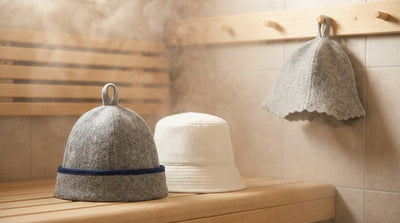
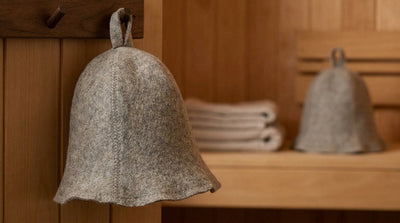
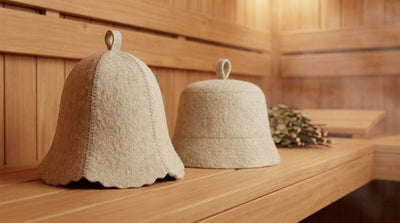
- Protect your head. Your head sits in the hottest layer of air and tends to overheat before the rest of you, which is often what cuts sessions short. Traditional felted wool sauna hats insulate the head and help keep hair from drying out, so your breath — not a pounding temple — decides when you're done.
- Keep sessions honest. If you feel dizzy, nauseous, or your heart is racing uncomfortably, no breathing pattern overrides that. Step out, cool down, drink water. The sauna will still be there.
One honest note: breathing techniques may improve comfort and perceived relaxation, and many bathers find their sessions naturally lengthen as a result. But "longer" should always mean "comfortably longer," not endurance for its own sake. If you have a heart or respiratory condition, or you're pregnant, check with a doctor about sauna use and breath holds in particular.
Make it a ritual, not a chore
The lovely thing about breathwork is that it turns a passive sweat into a small practice. Same bench, same heat — but you're participating now. Pair it with the scent of the wood around you (there's a reason cedar and aspen smell the way they do — see our piece on sauna wood types), the hiss of water on stone, the weight of warmth on your shoulders, and ten minutes starts to feel less like a timer and more like a place you get to visit.
Start with the long exhale on your very next session. Count a few rounds, then let it go. Chances are you'll walk out a little quieter inside than you walked in — which, when you think about it, is the whole point of the heat.
Made for the hot room
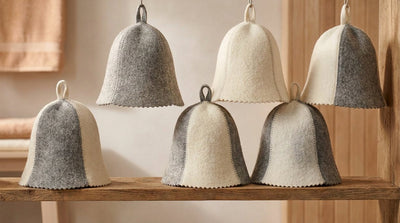
DIVELUX sauna hats are handmade from 100% natural wool felt — breathable, insulating and built to last. 7 colors, classic and bucket styles, $19.99 with free US shipping.
Shop Sauna Hats →